

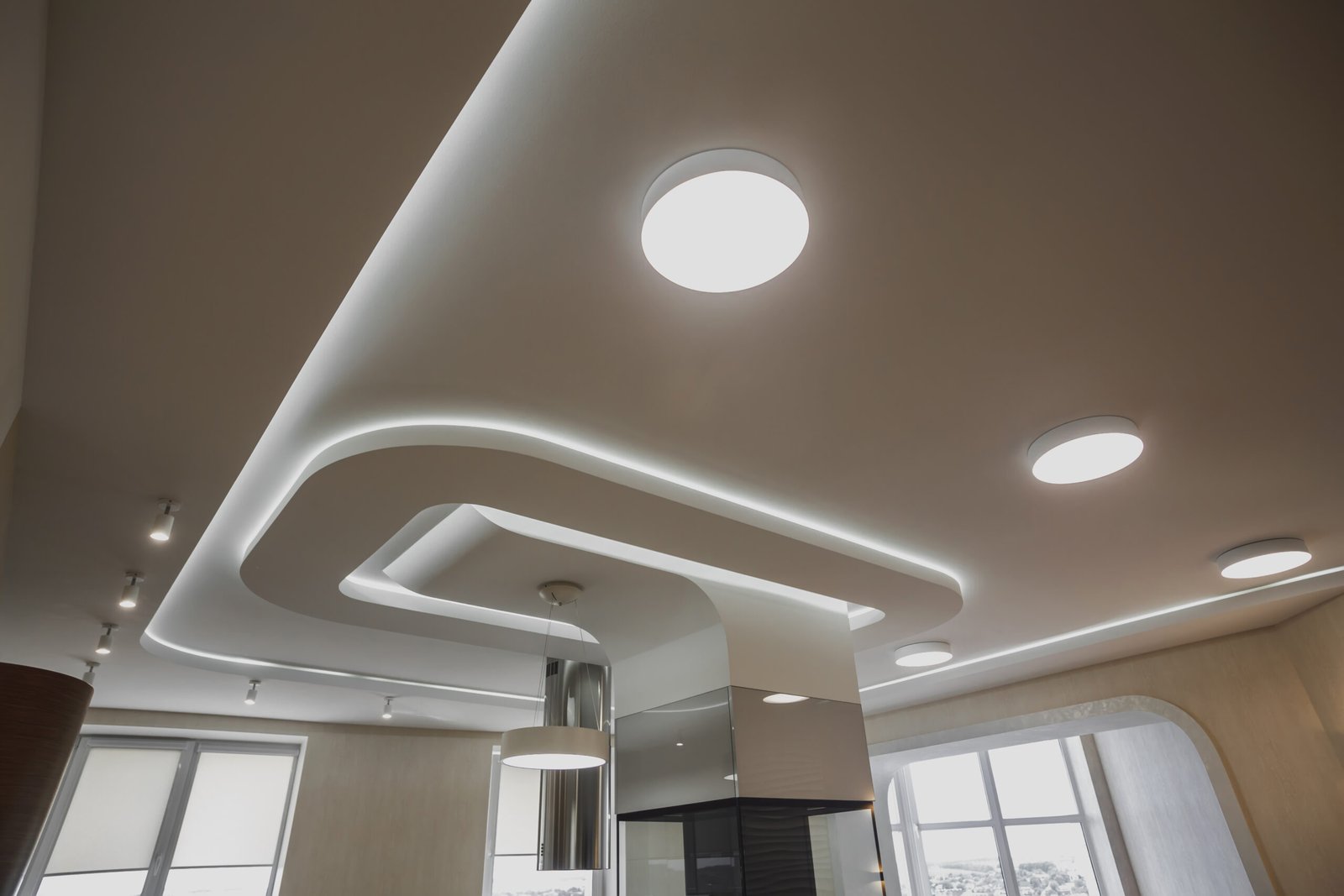
A well-designed ceiling can completely transform the look of your interiors, but it’s the installation quality that truly defines the final outcome. False ceilings are no longer just decorative—they play a major role in lighting, acoustics, and overall ambiance. However, achieving that clean, flawless finish requires careful planning and professional execution.
If you’re planning to install a false ceiling in your home, office, or commercial space, this guide will help you understand the process and ensure perfect finishing.
Understanding False Ceiling Installation
To begin with, a false ceiling is a secondary ceiling installed below the main structure. It is typically made using materials like gypsum boards, POP (Plaster of Paris), or metal frames.
The purpose of installing a false ceiling is not just aesthetic. It also helps conceal wiring, improve lighting arrangements, and enhance acoustic performance. When installed correctly, it creates a seamless and modern look.
Planning Before Installation
Before starting the installation, proper planning is essential. Without a clear plan, even the best designs can fail during execution.
First, assess the height of your room, as false ceilings slightly reduce ceiling height. Then, decide on the type of design—whether it’s a simple layout, layered ceiling, or one with integrated lighting.
Additionally, plan your lighting layout in advance. This ensures proper placement of lights and avoids unnecessary changes later.
Choosing the Right Materials
Selecting the right materials plays a crucial role in the durability and appearance of your ceiling.
Gypsum boards are widely preferred for their smooth finish and flexibility in design. POP is another option for detailed patterns, while metal frameworks provide strong structural support.
Choosing high-quality materials ensures that your ceiling remains safe, long-lasting, and visually appealing.
Step-by-Step Installation Process
Understanding the installation process can help you appreciate the importance of precision and expertise.
Framework Setup
The first step involves creating a strong metal framework that supports the ceiling structure. Proper alignment at this stage is critical for a flawless finish.
Board Installation
Next, gypsum or POP boards are fixed onto the framework. Care is taken to ensure accurate placement and minimal gaps.
Electrical Work
Wiring for lights, fans, and other fixtures is installed within the ceiling. This step must be done carefully to ensure safety and functionality.
Finishing and Joint Treatment
The joints between boards are sealed and smoothed to create a seamless surface. This is one of the most important steps for achieving a clean finish.
Painting and Final Touches
Finally, the ceiling is painted and finished according to the design. Lighting fixtures are installed, completing the overall look.
Importance of Seamless Finishing
A perfect false ceiling is defined by its finishing. Uneven edges, visible joints, or poor alignment can affect the entire appearance.
Seamless finishing ensures:
- Smooth and clean surfaces
- Proper alignment of panels
- Invisible joints and edges
- Professional and elegant look
This level of finishing can only be achieved with skilled workmanship and attention to detail.
Common Mistakes to Avoid
While installing a false ceiling, certain mistakes can compromise the final result.
Avoid using low-quality materials, as they may not last long. Improper planning of lighting can also lead to uneven illumination.
Additionally, poor installation can result in cracks or uneven surfaces over time. That’s why it’s important to rely on experienced professionals.
Benefits of Professional Installation
Although false ceiling installation may seem straightforward, it requires expertise to achieve the best results.
Professional installers ensure:
- Accurate measurements and alignment
- Safe and secure framework
- Seamless finishing
- Proper integration of lighting
With expert help, you can avoid costly mistakes and achieve a polished final outcome.
Maintenance Tips for Long-Lasting Results
After installation, proper maintenance helps keep your ceiling in good condition.
Regular cleaning prevents dust buildup, while occasional inspections help identify any issues early. Avoid water leakage, as moisture can damage ceiling materials.
With proper care, your false ceiling will remain stylish and functional for years.
Final Thoughts
False ceiling installation is a combination of design, planning, and precise execution. While the design adds beauty, it is the quality of installation that determines the final result.
By choosing the right materials, planning carefully, and working with professionals, you can achieve a flawless ceiling that enhances your interiors.
In the end, a perfectly installed false ceiling is not just a design feature—it’s a statement of quality, style, and attention to detail.