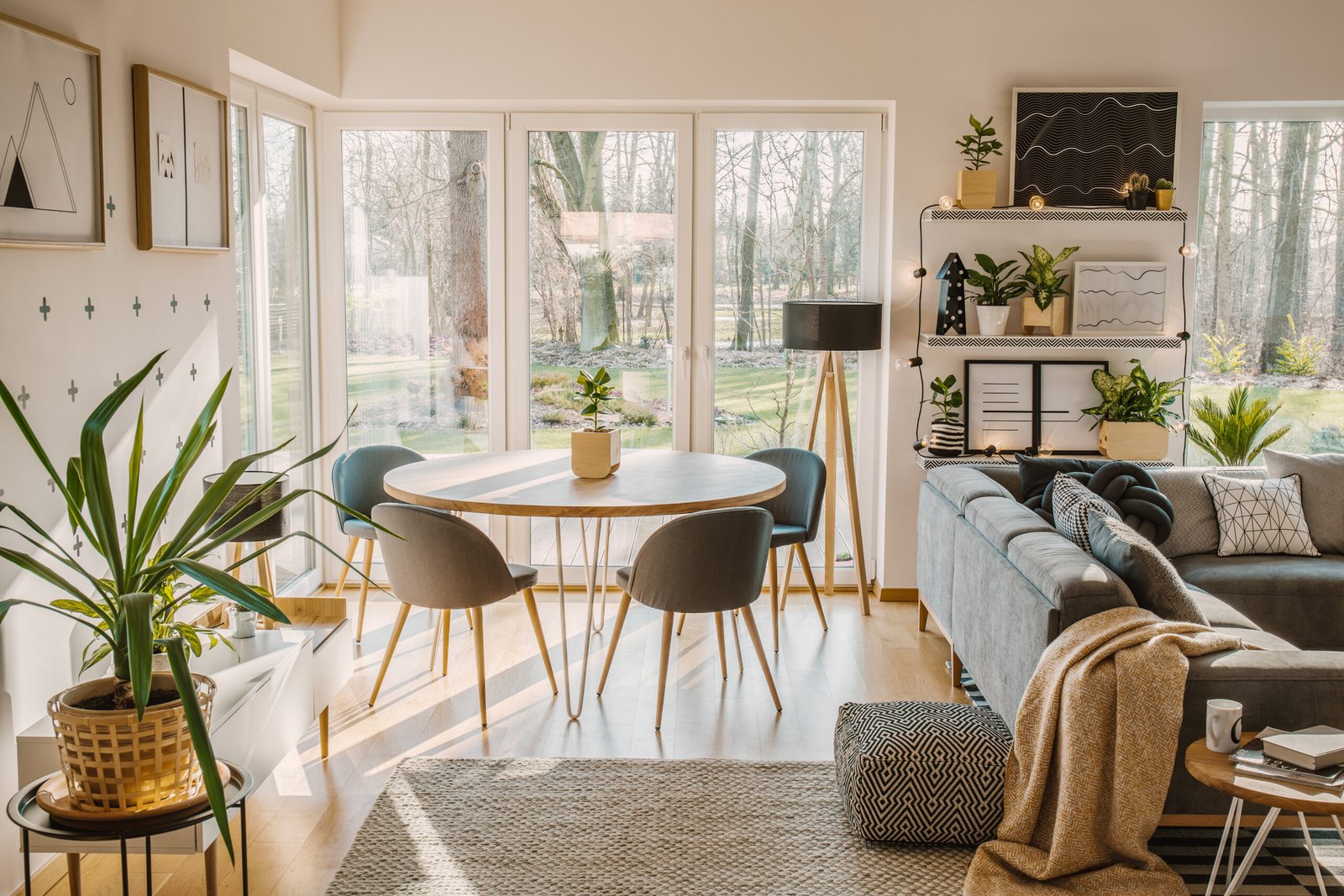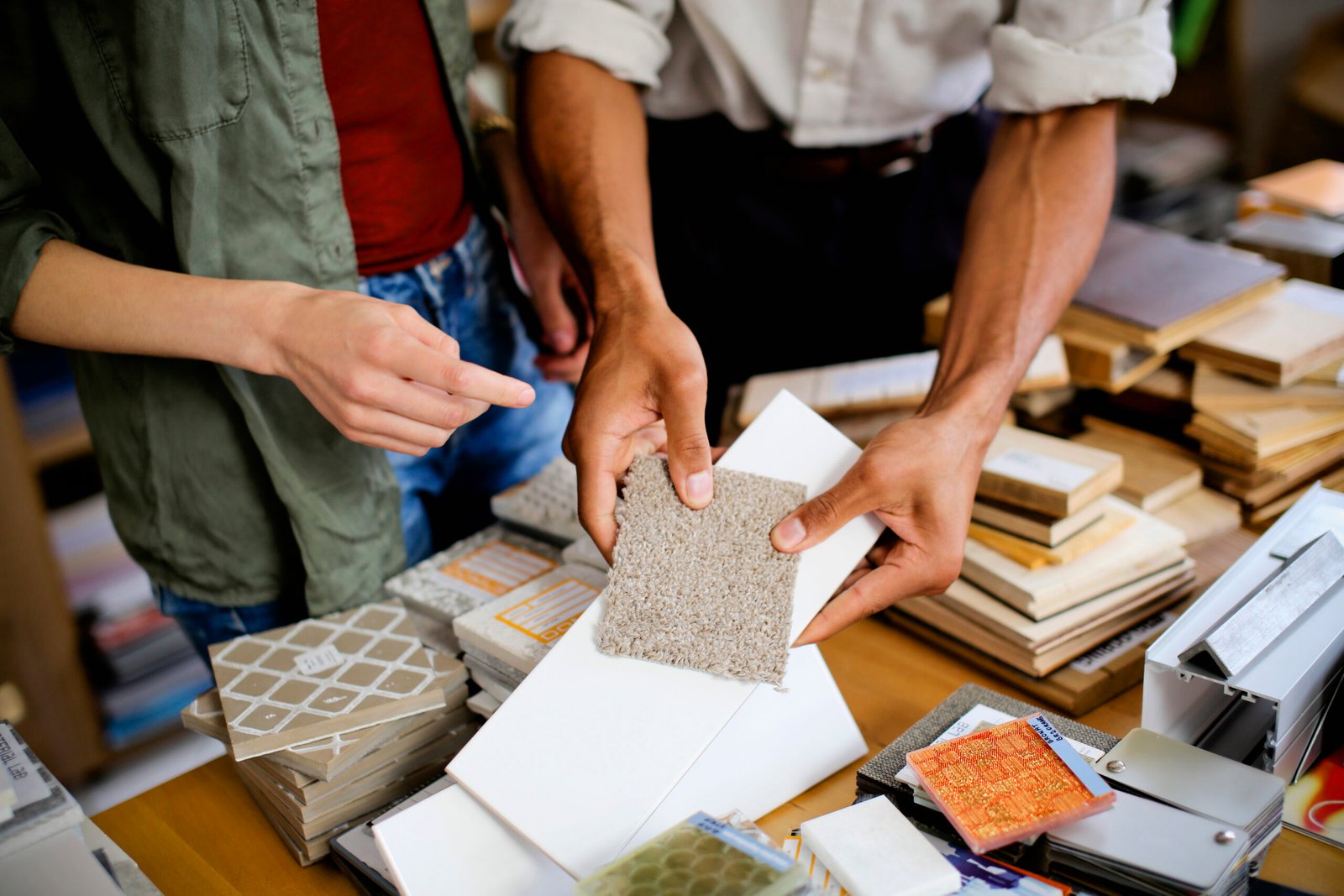

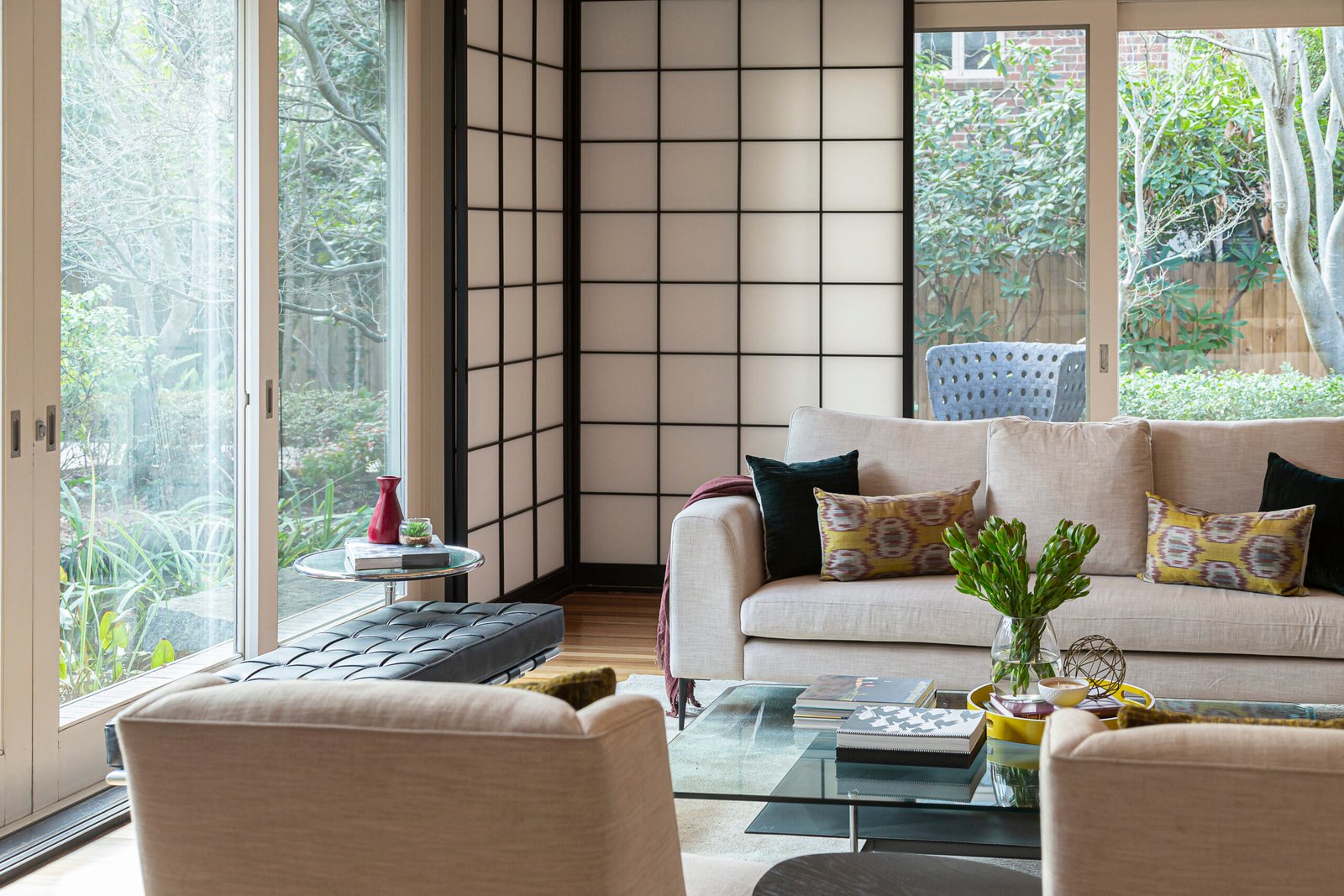
Designing a home is one of the most exciting yet challenging experiences for homeowners. A well-designed home should reflect your personality, maximize comfort, and provide practical functionality for everyday living. While many people have ideas about how they want their homes to look, turning those ideas into reality often requires professional expertise. This is why choosing the right home interior designers is an important decision.
The best home interior designers can transform ordinary spaces into beautiful, organized, and functional environments that suit your lifestyle and preferences. However, with many options available, finding the right designer requires careful consideration.
Let’s explore how to choose the best home interior designers for your space.
Understand Your Design Needs
Before searching for an interior designer, it is important to define your goals.
Ask yourself:
- What style do you prefer?
- What rooms need designing?
- What is your budget?
- What functionality do you need?
Some homeowners may prefer:
- Modern interiors
- Luxury designs
- Traditional themes
- Minimalist spaces
Knowing your requirements helps you find a designer whose expertise matches your vision.
Clear goals make decision-making easier.
Review Their Portfolio
A designer’s portfolio provides valuable insight into their work quality and design style.
Look for:
- Previous projects
- Design creativity
- Variety of styles
- Attention to detail
A strong portfolio demonstrates:
- Experience
- Professionalism
- Design capabilities
Reviewing completed projects helps determine whether their style aligns with your expectations.
Past work often reflects future performance.
Check Experience and Expertise
Experience plays a major role in interior design success.
Professional home interior designers understand:
- Space planning
- Material selection
- Furniture arrangement
- Design trends
Experienced designers can solve challenges more effectively and deliver practical solutions.
Knowledge improves project outcomes.
Expertise helps avoid costly mistakes.
Read Client Reviews and Testimonials
Customer feedback offers valuable information about a designer’s reputation.
Look for reviews that mention:
- Communication
- Project management
- Creativity
- Timely completion
Positive testimonials often indicate:
- Reliable service
- Professional behavior
- Client satisfaction
Good reviews build confidence in your decision.
Satisfied customers reflect quality service.
Evaluate Design Style Compatibility
Every designer has a unique design approach.
Some specialize in:
- Contemporary interiors
- Traditional décor
- Luxury homes
- Space-saving designs
Choose a designer whose style matches your preferences.
Design compatibility helps ensure:
- Better collaboration
- Smoother communication
- More satisfying results
Shared vision improves project success.
Discuss Budget Expectations
Budget planning is essential before starting any interior project.
Professional home interior designers should:
- Understand your budget
- Offer realistic recommendations
- Suggest cost-effective solutions
Transparent discussions help:
- Prevent unexpected expenses
- Improve financial planning
- Keep projects on track
Good budgeting supports successful outcomes.
Assess Communication Skills
Clear communication is critical throughout the design process.
A good designer should:
- Listen carefully
- Understand your ideas
- Provide regular updates
- Explain recommendations clearly
Strong communication helps avoid misunderstandings and ensures your expectations are met.
Good collaboration improves project results.
Trust grows through transparency.
Understand Their Design Process
Every designer follows a unique workflow.
Ask about:
- Project planning
- Concept development
- Material selection
- Installation timelines
A structured design process helps:
- Improve efficiency
- Maintain organization
- Ensure timely completion
Well-managed projects reduce stress.
Professional planning improves satisfaction.
Look for Creative Problem-Solving Skills
Every home presents unique challenges.
Professional designers should be able to:
- Maximize small spaces
- Create smart storage solutions
- Improve room functionality
Creative solutions help homeowners get the most from their available space.
Innovation improves both beauty and practicality.
Problem-solving skills add value.
Verify Project Support and Coordination
Interior design projects often involve multiple vendors and contractors.
The best designers help coordinate:
- Furniture suppliers
- Contractors
- Installation teams
- Material vendors
Proper coordination ensures:
- Smooth execution
- Better quality control
- Reduced delays
Professional management improves efficiency.
Support simplifies the entire process.
Focus on Long-Term Value
The best interior design is not just about appearance—it is about creating lasting value.
Choose designers who focus on:
- Durable materials
- Functional layouts
- Timeless aesthetics
Well-designed interiors provide:
- Better comfort
- Improved lifestyle
- Increased property value
Long-term value makes your investment worthwhile.
Final Thoughts
Choosing the best home interior designers for your space requires careful evaluation of experience, portfolio, communication, creativity, and design compatibility. The right designer can transform your ideas into a stylish, functional, and comfortable home that reflects your personality and supports your lifestyle.
A thoughtfully designed home enhances everyday living and creates a space you can enjoy for years to come. Taking the time to choose the right interior designer is the first step toward creating your dream home.