
Living in a small home doesn’t mean you have to compromise on style, comfort, or functionality. In fact, with the right interior design ideas, even compact spaces can feel open, elegant, and inviting. The secret lies in using smart layouts, proper lighting, and thoughtful décor choices that create the illusion of more space.
Modern interior design focuses on maximizing every corner while maintaining a clean and stylish appearance. Whether you live in a small apartment, compact villa, or studio home, these ideas can help make your space look much bigger and more comfortable.
Start with a Clutter-Free Layout
The first step in making a small home feel larger is reducing clutter. Too much furniture or unnecessary décor can make a room feel crowded and uncomfortable.
Instead, focus on keeping only essential items and organizing the space efficiently. A clean and open layout instantly creates a sense of spaciousness.
Smart storage solutions can help keep everyday items hidden while maintaining a neat appearance.
Use Light and Neutral Colors
Color has a huge impact on how spacious a room feels. Light shades such as white, beige, cream, soft grey, and pastel tones reflect light and make interiors appear brighter and larger.
Neutral color palettes also create a calm and modern atmosphere. You can add contrast through cushions, rugs, or artwork without overwhelming the space.
Using similar shades throughout the home creates visual continuity, which further enhances the feeling of openness.
Maximize Natural Light
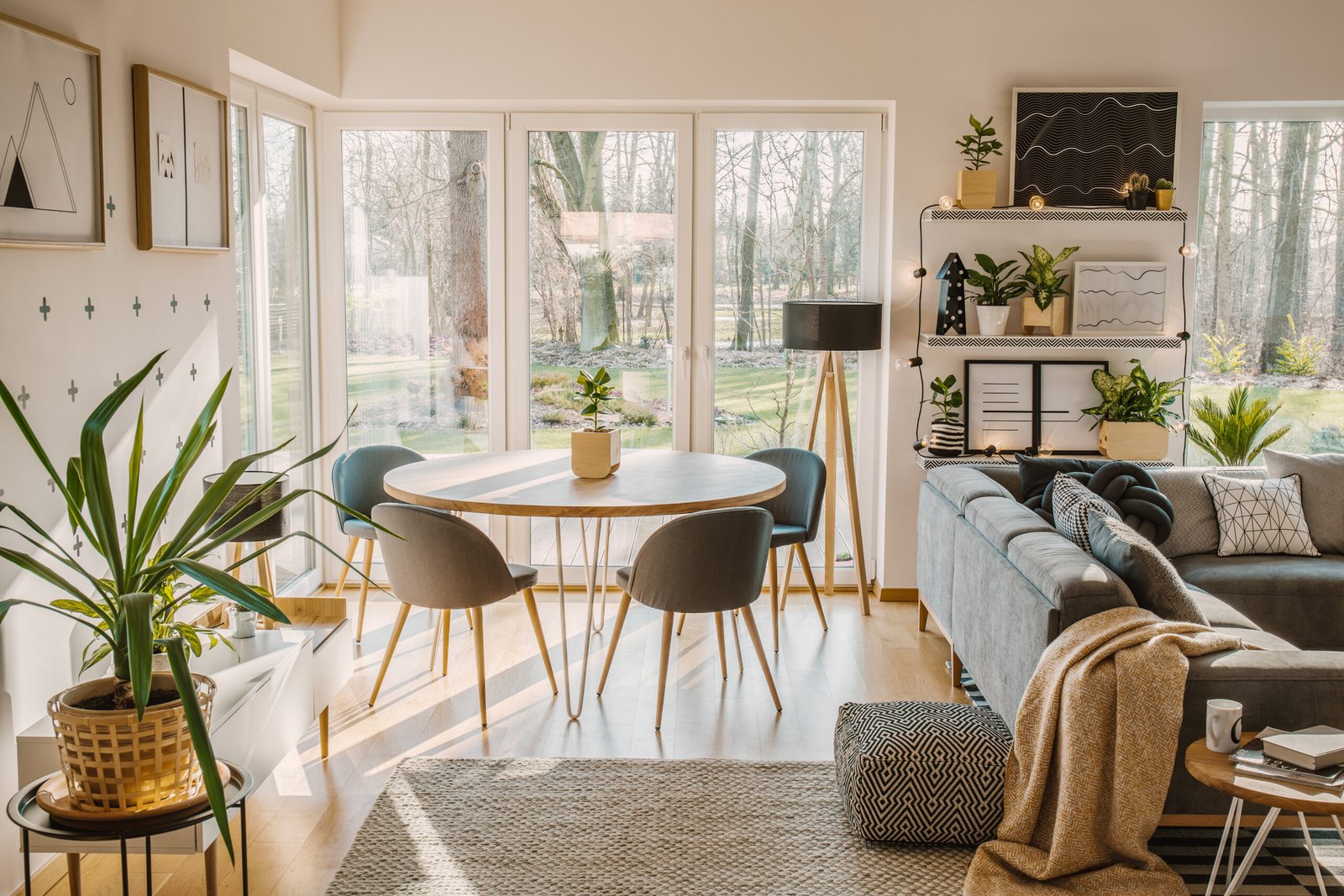
Natural light is one of the best ways to make a small home feel airy and spacious. Rooms filled with sunlight automatically look larger and more welcoming.
Avoid blocking windows with heavy curtains or bulky furniture. Instead, choose light-colored curtains or sheer fabrics that allow sunlight to pass through easily.
Large windows and open spaces help create a bright and refreshing environment.
Use Mirrors to Create Depth
Mirrors are one of the oldest yet most effective interior design tricks for small spaces. They reflect both light and views, creating the illusion of depth and openness.
Placing a large mirror opposite a window helps bounce natural light across the room. Decorative mirror panels can also add elegance while visually expanding the space.
Choose Multi-Functional Furniture
In small homes, furniture should be both stylish and practical. Multi-functional furniture helps save space while improving usability.
Popular options include:
- Sofa-cum-beds
- Foldable dining tables
- Storage ottomans
- Beds with built-in storage
- Wall-mounted desks
These pieces help maximize functionality without making the space feel overcrowded.
Use Vertical Space Wisely
When floor space is limited, vertical space becomes extremely important. Wall-mounted shelves, hanging cabinets, and tall storage units help utilize height effectively.
This not only frees up floor space but also keeps the room organized and visually balanced.
Vertical designs create the impression of taller ceilings, making rooms feel larger.
Keep Furniture Proportional
Oversized furniture can dominate small rooms and make them feel cramped. Instead, choose furniture that suits the scale of your space.
Slim-profile sofas, compact dining tables, and minimal furniture designs work best for smaller interiors. Furniture with exposed legs also creates a lighter and more open appearance.
Add Smart Lighting
Proper lighting plays a major role in making interiors feel spacious. Dark corners can make a room appear smaller, while well-lit spaces feel open and comfortable.
Layered lighting works best in small homes. Combine:
- Ceiling lights for general brightness
- Wall lights for ambiance
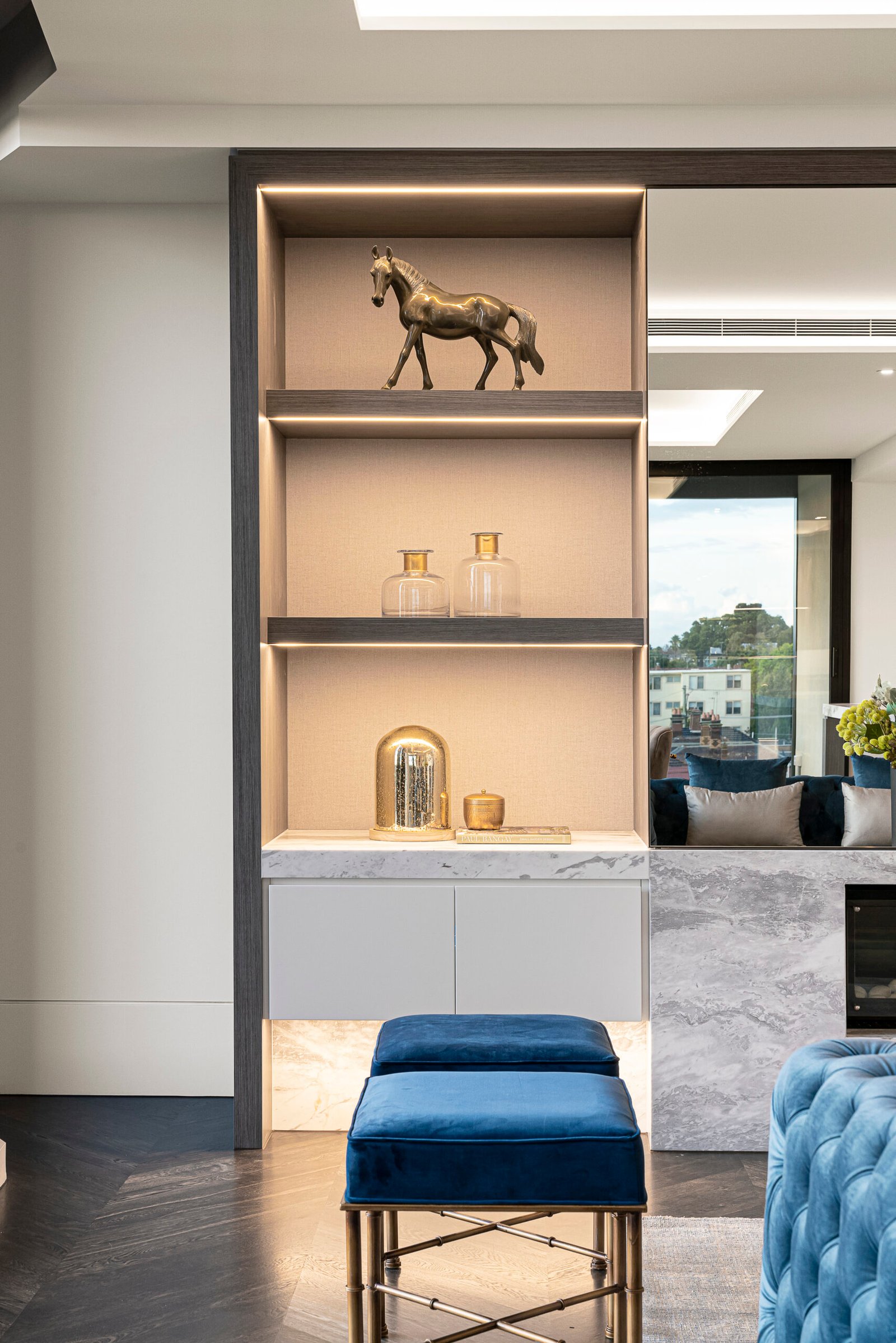
- Accent lights for décor highlights
Warm lighting creates a cozy atmosphere without making the space feel heavy.
Create Open Layouts
Open layouts are one of the most popular trends in modern interior design. Combining the living room, dining area, and kitchen creates a seamless flow that makes the home feel larger.
Removing unnecessary partitions improves movement and allows natural light to spread throughout the space.
Add Minimal Yet Meaningful Décor
Decorating a small home requires balance. Too many decorative items can overwhelm the room, while too little may make it feel incomplete.
Choose a few meaningful décor elements such as:
- Indoor plants
- Artwork
- Decorative lighting
- Textured cushions or rugs
Minimal décor creates visual interest without adding clutter.
Use Smart Storage Solutions
Storage is one of the biggest challenges in small homes. Hidden and built-in storage solutions help maintain a clean and organized look.
Under-bed storage, wall niches, modular wardrobes, and floating cabinets are excellent choices for compact interiors.
Keeping surfaces clutter-free helps the space appear larger and more elegant.
Why Professional Interior Design Helps
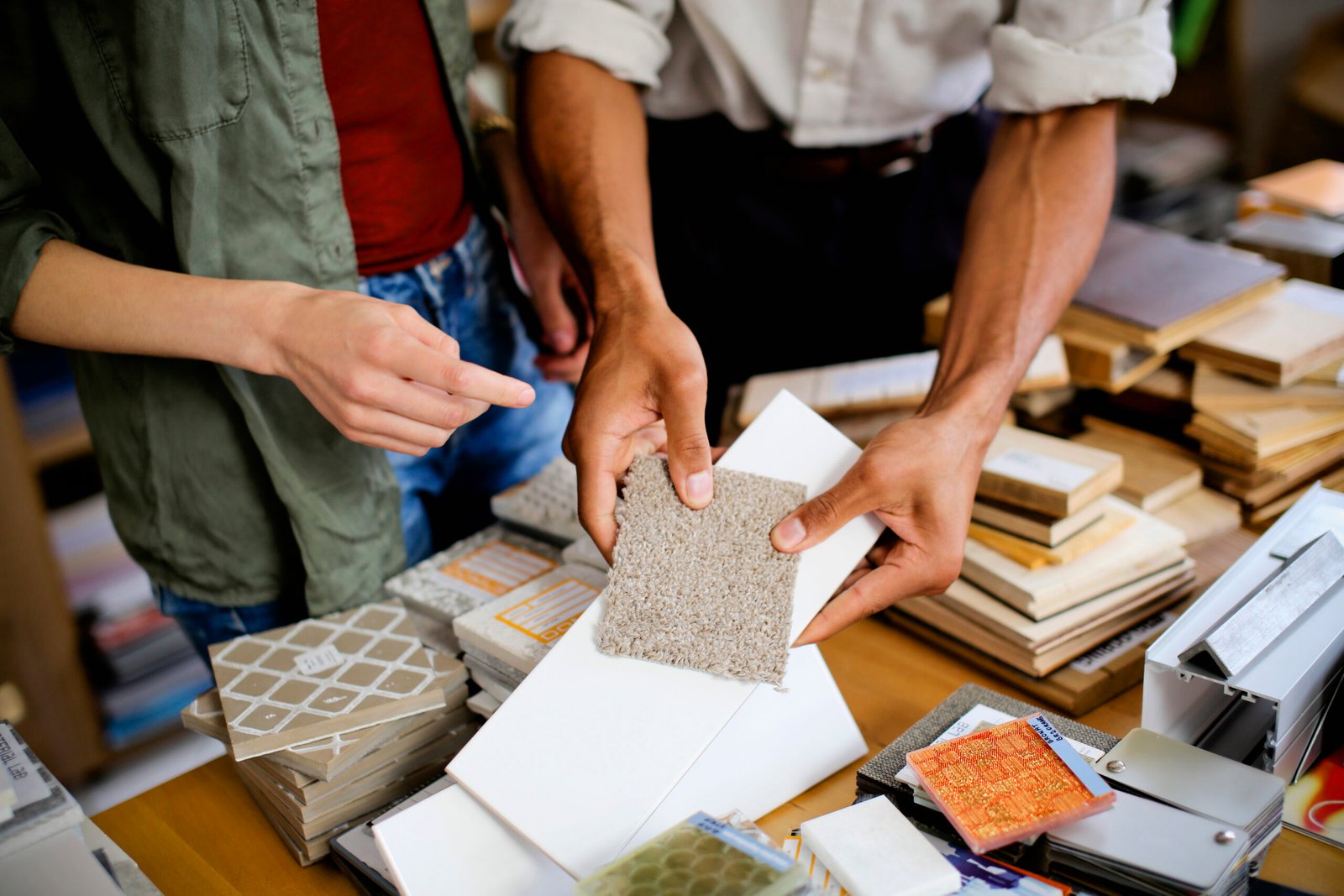
Designing a small home requires careful planning and creativity. Professional interior designers understand how to maximize space without sacrificing style.
They can help with:
- Efficient layouts
- Space-saving furniture selection
- Color coordination
- Lighting design
- Smart storage planning
With expert guidance, even the smallest homes can feel spacious and luxurious.
Final Thoughts
Small homes can be just as stylish and comfortable as larger spaces when designed thoughtfully. By using light colors, smart furniture, proper lighting, and clutter-free layouts, you can create interiors that feel open and inviting.
The key is not the size of the space—it’s how well you use it. With the right interior design ideas, your small home can become a beautiful and functional environment that feels much bigger than it actually is.